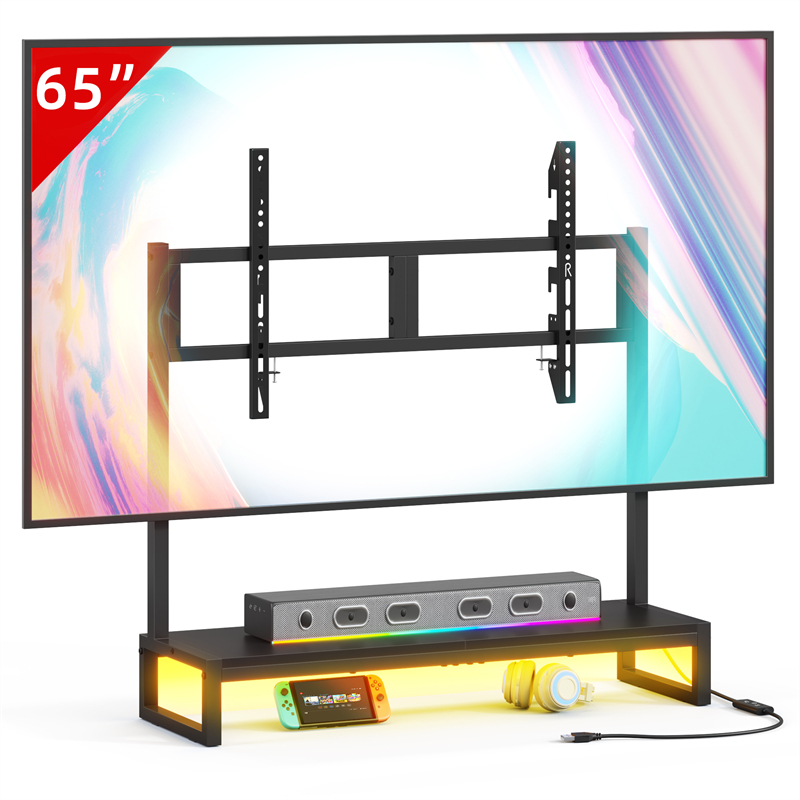
Start With the Console Manual, Then the Stand
The console manual is the controlling document for placement because it states the orientation, clearance and ventilation conditions for that exact device; the TVS027 listing confirms only the model and the tabletop TV stand type, so it cannot answer those questions. Read the manual for the permitted upright or flat position, the surfaces that must stay clear, whether enclosed furniture is allowed, and the cable and power requirements. If the manual is silent on a condition, ask the console maker rather than assuming a tidy position is safe. The trade-off is between a compact, concealed setup and the conditions the device maker actually specifies.
The same logic applies to accessories: a charging dock or headset may have its own power and clearance instructions, and those can conflict with a cramped stand top. Keep a short list of what the manual requires before you choose furniture, so the placement question becomes measurable rather than aesthetic.
Decide Whether the Console Belongs on the TVS027 Top
The TVS027 top should be treated as unavailable for a console until the seller confirms its usable dimensions and load rating, because the listing provides neither. Even then, the television already occupies part of that surface, and a console plus its connected cables adds another footprint and weight to the same top. Ask whether the top is intended for equipment at all, and place the console only within the console manual's clearance and ventilation conditions. A separate stable surface is the safer default when the answer is incomplete: it keeps the stand dedicated to the television and leaves the console's ports and vents unobstructed. Do not load-test the stand with temporary weights; confirmation should come from the seller's specification.
The decision also affects the television, not just the console. Adding a console to the same top can crowd the television base and change how easy it is to reach the screen's own connections. If the seller cannot describe the top's intended use, keep the television alone on the stand and solve the console separately.
Find the Port Face and the Disc Slot Before Positioning
The console should be positioned so the ports and any disc slot you use are reachable without shifting the unit, because access is determined by which face carries those features, not by the TV stand's appearance. Identify the HDMI, power, USB and any other connectors you will use, note whether they exit straight out or downward, and check the cable maker's instructions before using an angled adapter. If the console takes discs, leave enough room to insert and eject one with the console in its final position. The trade-off is between tucking the console out of view and preserving hand access to the side you actually use. Test the reach with the real cable attached, not with a photo of the rear panel.
Cable strain matters as much as hand access. A connector pressed against a wall or cabinet back can be difficult to seat properly and hard to remove later. Leave the console where you can see and touch the plug you use most, even if that means accepting a little visible cable.
Give Controller Charging Its Own Reachable Point
Controller charging should have a decided home before the console arrives, because the charger, headset and spare batteries otherwise collect on the nearest flat surface. Check the console manual for whether charging from its USB ports is permitted, and check the dock or charger's own power and placement instructions. Keep the charging point on a stable surface that does not overhang an edge, and route its cable so it does not cross the seat-to-console path. The trade-off is convenience: a console USB port may save an outlet but keep the console powered, while a separate charger adds another plug and a device to store. Choose the arrangement that matches the manual and your nightly routine.
A controller that lives on the stand's narrow edge or on top of the console is a recurring accident. Give it a tray, dock or shelf position that is wide enough for the controller to sit fully supported, then check that the cable reaches without pulling the controller off again.
Plan for the Games You Handle, Not the Collection
The physical game or disc you use most should be reachable from the seat, while the rest of the collection can live further away; this keeps the stand top from becoming a shelf. If the console takes discs, keep a small active case beside the seating position rather than on the stand, and return each disc after use. For cartridge or download-only libraries, decide whether a controller dock, headset hook or small tray is needed, and check that it does not cover vents or ports. The condition is that every added accessory has a place that does not need to be cleared before the console can be used.
Accessory storage should not make the console harder to use. A headset resting against a vent or a stack of cases leaning on the disc slot turns a small convenience into a daily annoyance. Keep the immediate area around the console clear enough to insert media and reach the power control.
Turn the Layout Into Measurements You Can Compare
Once the console, charger and accessories have proposed positions, convert the layout into measurements and compare them with confirmed figures rather than guessed ones. Measure the console's footprint including its feet and protruding cables, the charger's base and the space needed to reach the disc slot or ports, then compare those with the stand's confirmed top dimensions and the seller-stated load figure. Check the outlet count and reach as well, because a console, television and charger can exceed the outlets in one corner. If a figure is missing, leave that part of the layout open; do not fill the gap with a generic clearance number. A tape outline on the floor or a notes sheet is enough to expose a conflict before delivery.
Measure the television's own base as well, since it shares the top in the shared-top option. The comparison is between the combined footprint and the confirmed usable area, not between the console and the stand alone. If the combined footprint leaves no room for fingers at the disc slot, the layout fails even when every individual measurement fits.
What to Confirm About the TVS027 Before You Commit
The TVS027 purchase should wait until the seller answers the console-specific questions the listing leaves open: the usable top dimensions, the load rating, whether any shelf or compartment is included, whether cable openings exist, and what assembly or restraint is required. Also ask whether the stand is intended to support anything besides the television, and whether the top surface needs protection under a console's feet. Those answers determine whether the console can share the stand or needs its own surface. If the reply is partial, treat the shared-top layout as unconfirmed and keep the console elsewhere; the television can still use the stand while the console question is resolved.
Keep the questions in writing and compare the reply with the console manual. A seller's confirmation that the top supports a certain load does not override the console maker's clearance or ventilation conditions, and a manual condition does not establish the stand's capacity. Both sides need to agree before the console moves onto the stand.
Explore related furniture
Who this helps
A household has a television on or near a TVS027 tabletop stand and wants to add a game console with a controller dock, headset and a small active game collection, but the stand listing gives no top size, load rating, shelf or cable opening.
How to make the choice
Choose the TVS027 top for the console only when the seller confirms its usable top dimensions and load rating and the console manual's orientation, clearance and ventilation conditions are all met with the television present; otherwise keep the console on a separate stable surface and use the stand for the television alone.
Information behind this guide
The TVS027 listing in the supplied catalogue confirms only the model and the tabletop TV stand type. Console orientation, clearance and ventilation requirements come from the console manual, not from the furniture listing, and this guide does not supply ventilation distances or treat the stand as verified for equipment loads.
Compare your options
| Option | Consider when | Limitation | What to verify |
|---|---|---|---|
| On the TVS027 top | A compact console whose manual conditions are met and whose top size and load rating the seller has confirmed alongside the television footprint. | Competes with the television base for the same top, and the listing gives no top dimensions, load rating or equipment intent. | Seller-confirmed top size and load rating, plus the console manual's clearance, ventilation and orientation conditions. |
| Separate low shelf or side cabinet | A setup where the stand top is unconfirmed or already occupied, and the console can sit within reach of its ports and the television. | Adds floor or wall footprint and a longer cable run, and the shelf must have its own confirmed dimensions and load rating. | The shelf's internal width, depth and load figure, the route from console ports to the television, and access from the seat. |
| Inside a closed cabinet | A set-and-forget console in a room where visible equipment is unwanted and the console manual allows that kind of enclosure. | The manual may not permit enclosed placement, and door closures can interfere with remote signals, cable changes and access. | The console manual's enclosure and ventilation conditions, the cabinet's internal dimensions, its door opening and any cable cutout. |
Your decision checklist
- Read the console manual for the permitted orientation, clearance and ventilation conditions before choosing any position on or near the stand.
- Ask the TVS027 seller for the usable top dimensions and load rating, and treat the top as unavailable until both are confirmed.
- Measure the console footprint, connected cables and charger base, then compare them with the confirmed stand figures and outlet reach.
- Check that the port face and disc slot you use are reachable without moving the console or pulling the stand away from the wall.
- Assign controllers, headset and active games a reachable home that does not cover vents, ports or the stand's top edge.
- Keep a separate stable surface as the fallback when the seller's reply or the console manual leaves the shared-top layout unconfirmed.
Related questions
Can a game console sit on the TVS027 tabletop stand?
Only when the seller confirms the top's usable dimensions and load rating and the console manual's orientation, clearance and ventilation conditions can all be met with the television already on that top. The TVS027 listing confirms only the model and tabletop stand type, so its top size and load capacity are unknown until the seller supplies them. If either answer is missing, treat the shared top as unconfirmed and place the console on a separate stable surface instead of assuming it will fit.
Should controllers charge from the console's USB ports?
Check the console manual before relying on its USB ports for charging, because that document states whether the ports are intended for accessories and what the console must do to supply power. A separate charger can be simpler when the console stays off, when the dock has its own power requirements, or when the cable would cross a walking route. Either way, give the charger a stable, reachable position that does not overhang an edge or cover the console's vents and ports.
What should I ask the seller about the TVS027 before buying?
Ask for the usable top dimensions, the load rating, whether any shelf, compartment or cable opening is included, and the assembly or restraint requirements for the exact version. Also ask whether the stand is intended to support anything besides the television, and whether the top surface needs protection under a console's feet. Those answers decide whether a console can share the stand. If the reply leaves top size or load unclear, keep the console on its own surface.