Start With One Batch, Not the Whole Cabinet
A paperwork backlog is easier to clear when the working unit is one shallow tray or one named folder group with a visible stopping point, because a whole-cabinet sort creates more decisions than one session can support. Choose the batch before you touch the papers: one tray from the desk, one box from the floor, or one folder category that already has a boundary. If the batch will not fit the container, split it by month or source rather than emptying another drawer into it.
The stopping line matters more than the size of the batch. Decide that you will stop when the tray is empty or the time block ends, even if other papers remain in the room. That rule keeps the backlog method from becoming a full reorganisation, and it gives you a repeated starting point for the next session.
Sort Each Paper Into File Now, Act Now or Unresolved
Within a batch, each paper needs one of three working destinations: file now, act now or unresolved. File now only when a permanent home is already defined and labelled; act now when the paper needs a reply, payment, signature or other action you can start; unresolved when the category, owner or decision is not clear. This is a sorting instruction, not a records-retention policy, so keep any longer-term retention or legal requirements separate from the session.
The three-way split is deliberately narrow. Adding more piles for projects, people or someday decisions multiplies the choices and slows the batch. If you cannot place a paper in one of the three destinations without stopping to build a new system, it belongs in the unresolved group until the review point.
Make the Unresolved Group Temporary and Dated
The unresolved group is useful only when it is temporary, dated and physically separate from permanent files. Label it with the date it was created and keep it in one tray, envelope or temporary box that can be closed. Add a one-line reason for each paper, such as waiting for a reply or missing a page, so the review does not begin with a second sort.
Resist turning the group into a miscellaneous file. A paper that has no home after one review should move to a longer-term holding place with a new date, not disappear into the general cabinet. For the FC013, ask which compartment the lock covers and what the internal drawer dimensions are, because the listing confirms a lock and a Tiger Wood colour designation but not those details.
Set the Review Point Before the Group Fills
A review point should be set when the temporary group is created, using a calendar date or a clear trigger, so unresolved papers do not quietly become a second backlog. Choose a point you can keep, such as the end of the month or the completion of the current batch. The point is a decision session, not a full re-sort.
At the review, give each paper one outcome: start the action, file it in a confirmed home, or move it to a named holding place with a new review date. If most items need the same missing answer, write that question down once and pause the batch rather than reviewing the same obstacle item by item. A review that keeps reopening the whole backlog is a sign to make the original batch smaller.
Keep the Rest of the Cabinet Out of the Session
The rest of the filing cabinet should stay closed and unchanged while one batch is being processed, because pulling other drawers into the session removes the stopping point. Keep the working batch on a tray or on a clear table surface, and return papers to their permanent places only when those places are already known. If a needed document sits in another drawer, retrieve that document and return it immediately rather than emptying the drawer.
A physical boundary also protects the people who share the cabinet. Put a note on the temporary group and tell them what it is for, so they do not file into it or treat it as a new permanent category. The method should reduce disruption, not create a second system that only the person clearing the backlog understands.
Confirm FC013 Facts Before Permanent Filing
The FC013 should receive permanent files only after you confirm its internal drawer dimensions, supported file format, lock coverage and any relevant load or anchoring requirements, because the listing confirms only the model, a lock and a Tiger Wood colour designation. Those are not interchangeable with assumptions from the product name. Tiger Wood is a colour designation, not proof of solid wood, and the presence of a lock is not evidence of a fire or security rating.
Ask the seller before buying folders, rails or dividers for the cabinet. If the reply leaves the drawer interior or file format undefined, keep the backlog in temporary trays or boxes and do not assign permanent homes yet. A temporary storage plan is easier to change than folders bought for an unconfirmed drawer size.
Close Each Batch and Name the Next One
A batch is closed when the processed papers are in their stated homes, the temporary group is sealed with its review date, and the next batch is written down. The next batch can be as simple as the name of the tray or folder group you will process next; writing it down prevents the backlog from becoming an undifferentiated whole again.
If every batch ends with most papers unresolved, stop adding trays and investigate the cause. Missing storage facts, an unclear decision owner or a category that is too broad will not be solved by a faster sorting method. Confirm the cabinet details you need or use temporary boxes until the permanent storage decision is clear, then return to batching.
Explore related furniture
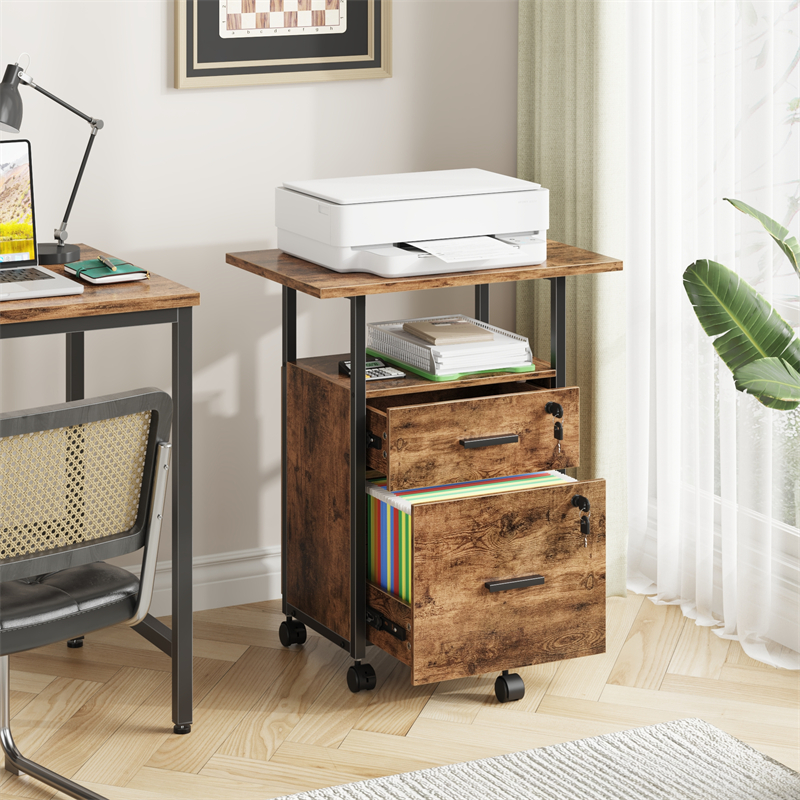
FC013 Locking Filing Cabinet — Tiger Wood Colour
Who this helps
A household has a drawer or box of unsorted papers that has grown for months, and the owner wants to make it usable without emptying every folder or making irreversible decisions in one weekend.
How to make the choice
Use the batch method when you can name one manageable pile and accept a dated temporary group; choose a drawer-by-drawer reset instead when the cabinet cannot be opened safely or most papers need another person's input. The trade-off is slower visible progress in exchange for fewer rushed permanent decisions.
Information behind this guide
The FC013 listing confirms the model, a lock and a Tiger Wood colour designation only. Drawer count, internal dimensions, file format support, load limits and lock coverage are unknown here. The batching method is general organisational advice, not a claim about this cabinet's capacity or security.
Your decision checklist
- Choose one small batch: one shallow tray, one folder group or a fixed time block, and stop when that batch is processed.
- Date a temporary unresolved group and add a one-line reason for each paper so the review starts with decisions, not another sort.
- Ask the seller for the FC013 drawer count, internal dimensions, file format support and lock coverage before assigning permanent homes.
- Set the review point when the temporary group is created, using a specific date or a clear trigger.
- Leave other cabinet drawers closed during the session and return any retrieved document immediately.
- Treat Tiger Wood as a colour designation only, not as proof of solid wood or a particular material.
Related questions
How large should one paperwork batch be?
One batch should be small enough to finish in a single sitting and still leave the rest of the cabinet untouched. Use one shallow tray, one folder group or a fixed block of time as the boundary. If you cannot reach a stopping point without pulling out another drawer, the batch is too large; split it by month, source or a named project instead.
What should go into the temporary unresolved group?
Put in only papers you cannot classify with confidence in the current batch, such as items needing another person's answer, a missing page or a decision you are not ready to make. Add a date and a one-line reason for each one. Do not use the group for papers you have not examined, and do not treat it as a permanent filing category.
When is the review point for unresolved papers?
Set the review point when you create the group, not after it has filled. Use a calendar date or a clear trigger such as finishing the current batch or reaching a set number of items. At the review, give each paper one next action or a new review date, then close the group; do not reopen the entire cabinet.